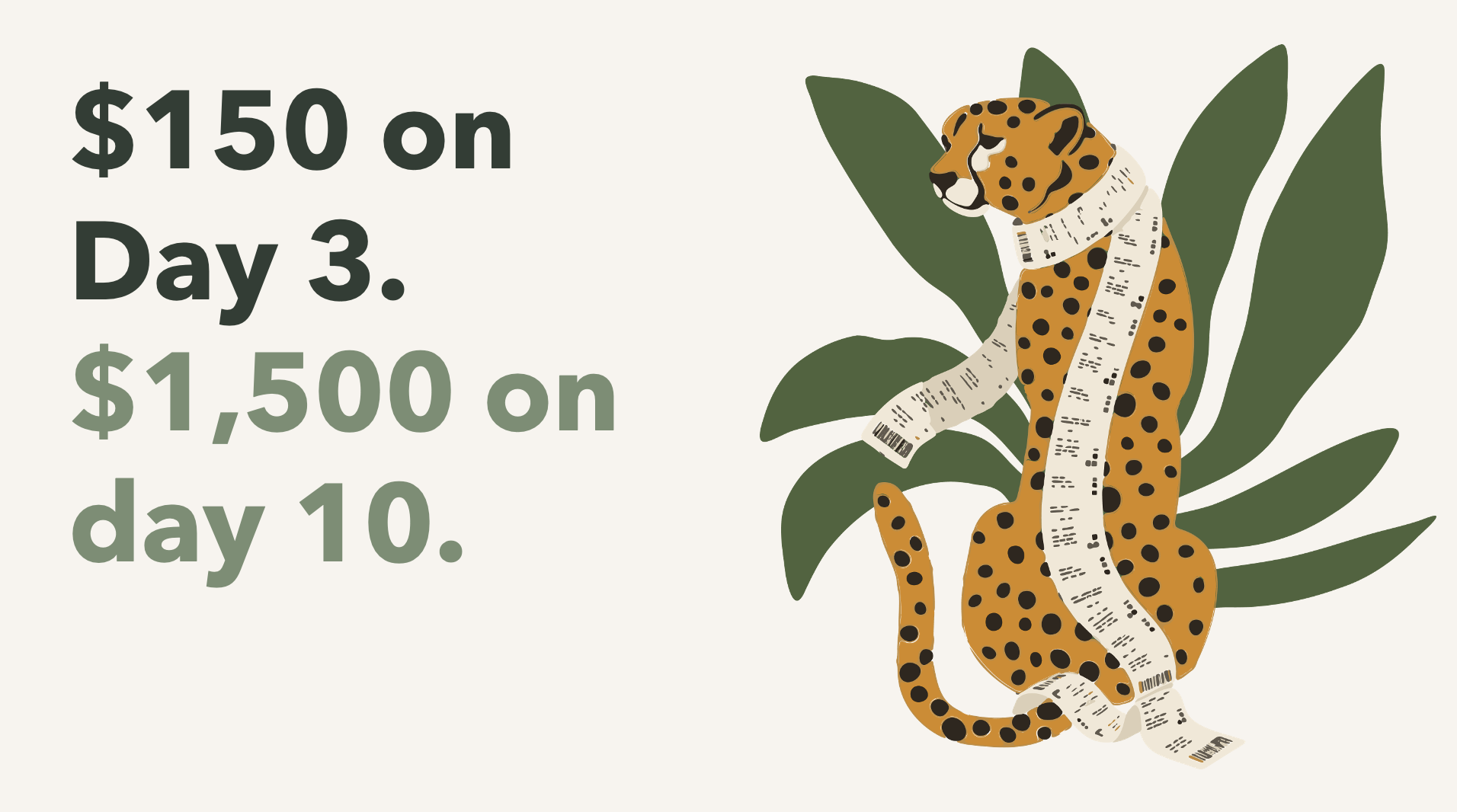
Some news first: Nidana is now a founding vendor with Pawsitive Intelligence — the VHMA- and Zoetis-backed group that teaches practice leaders how to evaluate AI and maintains a small, vetted marketplace to buy from with confidence. I'll be at their inaugural meeting and the VHMA Annual Conference in Reno on September 9 — if you'll be there, reply to this email and let's meet in person. | | Last year, 52 percent of US pet owners skipped or declined care their veterinarian recommended. Asked why, 71 percent said cost. | The easy reading is that owners are choosing money over their pets. I don't believe that, and I doubt you do either. The owners in your exam rooms would do almost anything for a sick animal. What they are afraid of is something narrower: paying for a visit that turns out to be nothing. They aren't trying to spend less on their pet. They're trying not to waste money. Those are different problems, and the difference is the whole point of this issue. | First, the backdrop you already feel. Veterinary prices are up 51.4 percent since 2019, against 28.5 percent general inflation. Visits have declined five years straight. The largest animal health company in the world just reported essentially zero price contribution and is discounting to defend share. Every increase is now collected from a shrinking pool of owners, and each one hands a cost-sensitive owner another reason to skip the visit they were already unsure about. Affordability has stopped being the owner's private problem. It is now your growth problem. | The gamble owners are running | Look at wait-and-see from the owner's kitchen. The dog is lethargic on day three. Normal recovery, or the start of something? The owner was never trained to tell the difference — not on incisions, not on gum color, not on what "better" looks like. So they run the only strategy available to an untrained observer: wait. It feels financially responsible. If it's nothing, they saved an exam fee. | The problem is that waiting resolves the uncertainty only when the answer becomes unmissable. And unmissable is the most expensive moment in veterinary medicine. | A complication caught at day 3: a progress exam, about $150. |
|
| The same complication at 11pm on day 10: an emergency visit, $800 to $1,500 on average. |
|
| If it's a GI obstruction or bloat: $2,000 to $10,000, with hospitalization at $600 to $2,500 a night. |
|
| The outcomes data says this is not hypothetical. Among owners who declined care, 14 percent report the pet worsened or died. Veterinarians see it coming: 98 percent say their biggest fear when care is declined is exactly that quiet worsening. And notice where the emergency spend goes — not to your practice, but to the ER across town, where the bill confirms everything the owner already feared about the cost of vet care. Wait-and-see doesn't avoid spending. It defers it, compounds it, and hands it to someone else. | The conversation that isn't landing | Here's the strangest pair of numbers I found researching this issue. 81 percent of veterinarians say they always or often offer alternatives when cost blocks a treatment. 73 percent of owners say they were never offered one. Someone is wrong, and I genuinely don't know who. But a gap that size means whatever is being said about money in the exam room is not being heard. And after the owner says no — as 37 percent of them do — the case stays medically open while going operationally dark. Almost no clinic has a protocol for watching the no. | What changes with monitoring | Post-discharge monitoring attacks the wasted-money fear directly, because it replaces the owner's guess with an answer. Across cases completed on Nidana Loop, roughly 18 percent get flagged for a veterinarian's attention. Those are rechecks recovery has earned — and when an owner is told why the visit is needed, the necessity is visible and the yes comes easily. The other 82 percent are spared the just-in-case appointment. That is what affordability actually looks like: not cheaper visits, fewer wasted ones. | It also catches the quieter waste. Owners who can't get the tablet into the dog or keep the cone on almost never call the clinic — they tell Loop, because it asked. A paid-for medication course that never gets delivered is the purest wasted money in the entire system. And for the patient whose owner declined the dental or the diagnostic, follow-up works as a safety net you can deploy today: the deterioration surfaces while it is still a conversation, not an emergency. | Prices are not coming down. What can come down is uncertainty — and the clinic that lowers it becomes the one whose recommendations owners trust enough to pay for. In a market where new patients aren't walking in, that trust is the entire retention math. | One last thing. Today is International Dog Day. The best gift your practice can give the dogs it discharged this week costs nothing: don't go silent on them once they're home. | Curious what post-discharge monitoring looks like for your clinic? Book a demo. |
|